• Home
  • About
  • One Yoga - Four Paths
  • Raja Yoga
  • Bhakti Yoga
  • Liberation
  • Contact
  • Reset Retreat!
    • Join me
  • Teaching and Learning Guidance
    • Yoga Lessons for Teachers
    • 12 Touchstones
    • Classroom Technology Toolkit
    • Backward Design Toolkit
    • Assessment and Evaluation Toolkit
    • Personalized Learning Toolkit
    • CMU FEP >
      • FEP Blog
      • Blog Submission
      • Curriculum Resources
      • Evidence-Based Strategies
      • FEP Forum
      • Teaching and Learning Guidance
  Unityoga.org

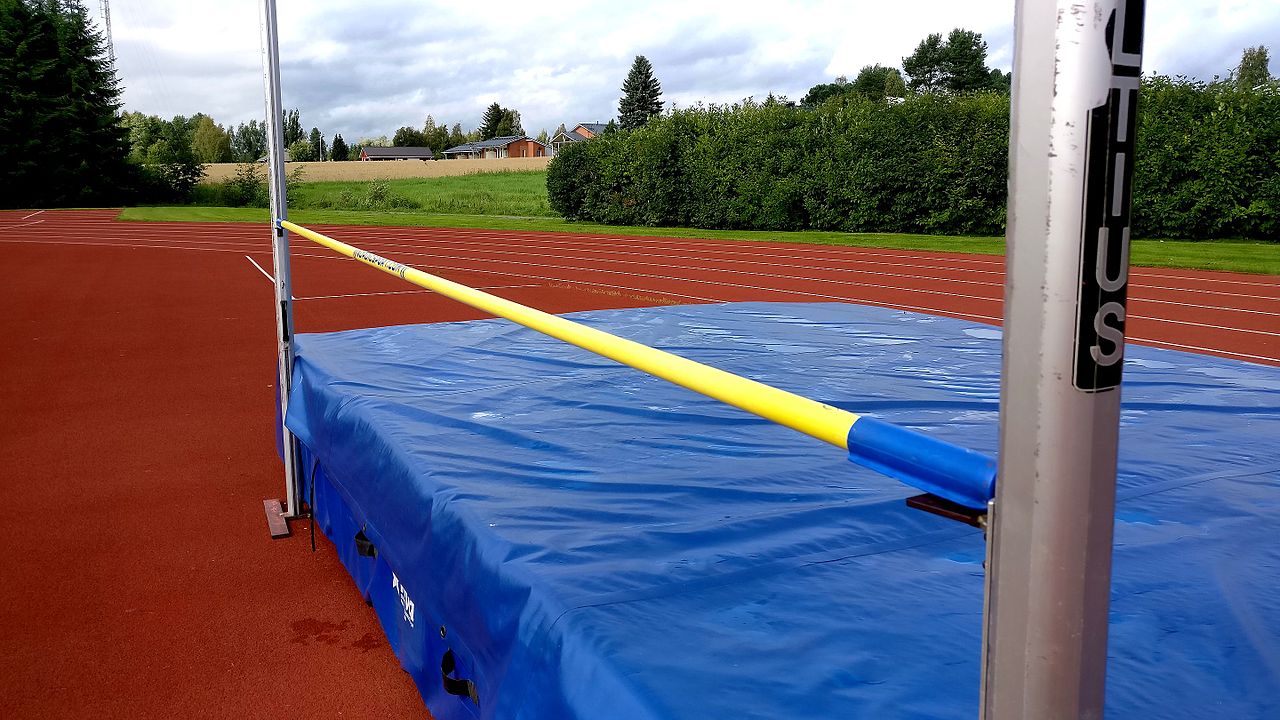
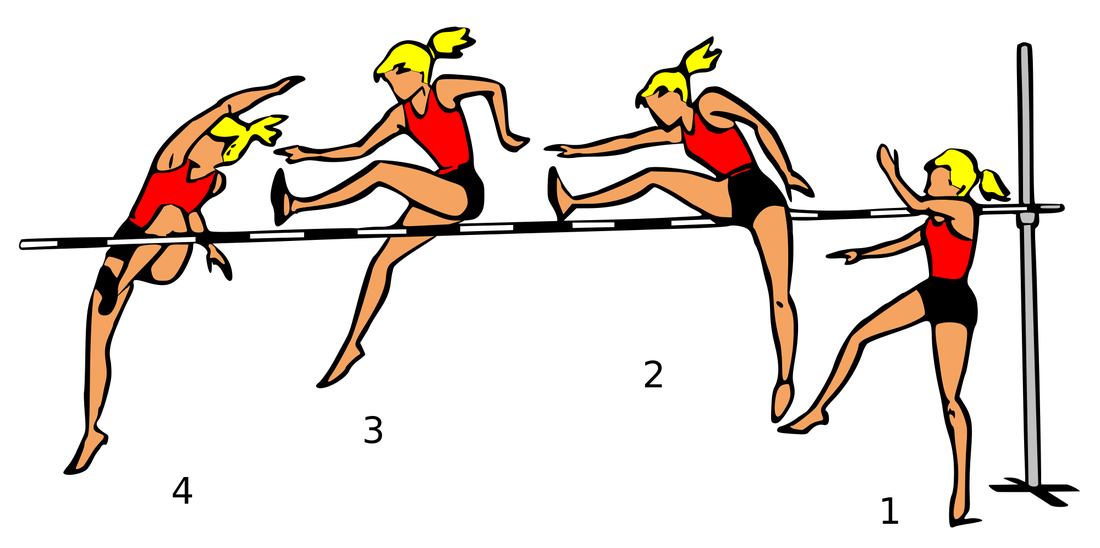
Be Demanding

Articulate and maintain high expectations for learning.

Home
2. be supportive
​
3. be intentional
​
Forum
references

Touchstones 1-4

"Teachers must make their expectations for learning explicit to students... there's a science to doing this.  Done well, teachers can increase student motivation and achievement..."

"Similarly, teachers must translate high expectations into unit and lesson plans that give students the opportunity to learn challenging content."

-Goodwin & Hubbell (2013)

Touchstone Summaries and Evidence-Based Explanations Taken Directly from the Appendix in The 12 Touchstones of Good Teaching: What They Look Like and Why They're Important, Goodwin & Hubbell (2013)

1
I use standards to guide every learning opportunity.

"Teachers unpack standards to identify what students need to know and be able to do and also identify big ideas within them to guide unit and lesson planning.  They view standards not as a one-size-fits-all approach but as a platform for creative lesson planning and self-directed student learning."
Links to widely accepted educational standards:
United States Common Core State Standards
​
Next Generation Science Standards
Common European Framework of Reference for Languages

2
​
I ensure students set personal learning objectives for each lesson.

"Teachers help students challenge themselves by setting ambitious long-term goals for learning and short-term learning objectives that break learning goals into achievable, bite-sized chunks.  Teachers begin with the end in mind, using learning objectives to guide the planning of every lesson and unit."
Links to Goals and techniques for setting them:
​
Chart of Postsecondary and Workforce Readiness skills
Setting Goals and Providing Feedback
Cues, Questions and Advance Organizers

3
​
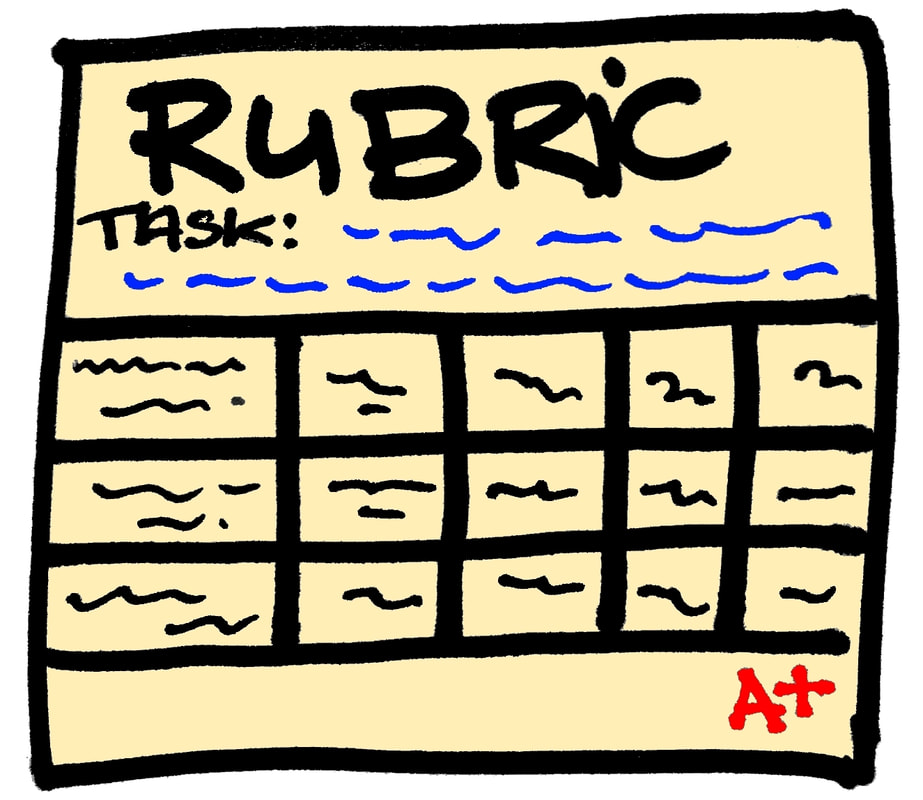
 I peel back the curtain and make my performance expectations clear.

"Teachers use performance rubrics and other methods to ensure students know how their performance will be judged.  They use rubrics to guide student improvement and shift the role of the teacher away from a "giver outer" of grades to a coach who is helping them accomplish their learning goals."
Links to rubric examples and how to use them:
​​Analytic vs. Holistic Rubrics
Creating a Rubric
"Action Words" for Rubrics

4
 I measure understanding against high expectations.

"Teachers ensure that course grades reflect actual academic performance, minimizing the proportion of nonacademic factors, such as effort, behavior and homework, that contribute to course grades.  They also use appropriate assessment methods to encourage critical thinking and challenge students to meet high expectations."
​Links to Assessment Information:
​Description of Formative Assessment
54 Methods of Formative Assessment
The Case Against Grades

Why it's important

Picture
1.   "The strongest school-level correlate of student success is the opportunity to learn - the extent to which curriculum is aligned to standards and assessments.  Aligning lessons and units to standards ensures students are challenged and no gaps or redundancies exist in their learning experiences."
Picture
2.   "One of the strongest predictors of student success is fate control - a belief in their ability to control their own academic destinies.  By setting and achieving small goals, students develop fate control, learned optimism, and a willingness to take on new challenges.  Research suggests teacher effectiveness largely boils down to deliberate teaching of learning objectives."
Picture
3.   "Research shows that clear performance rubrics improve student achievement by helping focus student learning.  Rubrics may also support intrinsic motivation by helping students find and work through their own "Goldilocks zone" of challenge - where work is neither too easy nor too difficult."
Picture
4.   "Studies suggest that grade inflation remains a real phenomenon, giving students the false impression that they are prepared for the rigors of later learning opportunities.  One reason for this may be that course grades often incorporate a hodgepodge of non-academic factors, which, in effect, lower expectations for students."

12 Touchstones - navigation

Home
2. be supportive
​
3. be intentional
​
Forum
references
Unityoga.org
one Y?  one answer...
Home           About          Contact          Knowledge...